

How Wholesale Auto Parts Suppliers Keep Detroit Repair Shops Running Efficiently
In today’s competitive automotive industry, businesses must operate efficiently while keeping expenses under control. Whether managing an independent repair shop, fleet service company, dealership, or auto resale business, sourcing reliable parts at the right price plays a major role in profitability. This is where working with a commercial auto parts supplier becomes a strategic advantage.
Unlike traditional retail auto parts stores, commercial suppliers are designed specifically to support business operations. They provide bulk pricing, dependable inventory, and streamlined purchasing processes that help companies reduce costs and improve overall efficiency.
Let’s explore how partnering with a commercial auto parts supplier can transform daily operations for automotive businesses.
Unlike traditional retail auto parts stores, commercial suppliers are designed specifically to support business operations. They provide bulk pricing, dependable inventory, and streamlined purchasing processes that help companies reduce costs and improve overall efficiency.
Let’s explore how partnering with a commercial auto parts supplier can transform daily operations for automotive businesses.
Understanding Commercial Auto Parts Suppliers
A commercial auto parts supplier focuses on serving professional buyers rather than individual consumers. These suppliers maintain large inventories and pricing structures tailored to businesses that require consistent access to automotive components.
Typical customers include:
Typical customers include:
- Auto repair shops
- Fleet maintenance companies
- Car dealerships
- Auto body shops
- Municipal vehicle departments
- Parts resellers and distributors
1. Lower Purchasing Costs Through Wholesale Pricing
One of the biggest advantages of working with a commercial auto parts supplier is reduced pricing. Wholesale purchasing models eliminate many retail markups, allowing businesses to buy parts at significantly lower costs.
Cost-saving benefits include:
Cost-saving benefits include:
- Discounted bulk pricing
- Business account pricing structures
- Reduced per-unit expenses
- Better profit margins on repairs
2. Consistent Inventory Availability
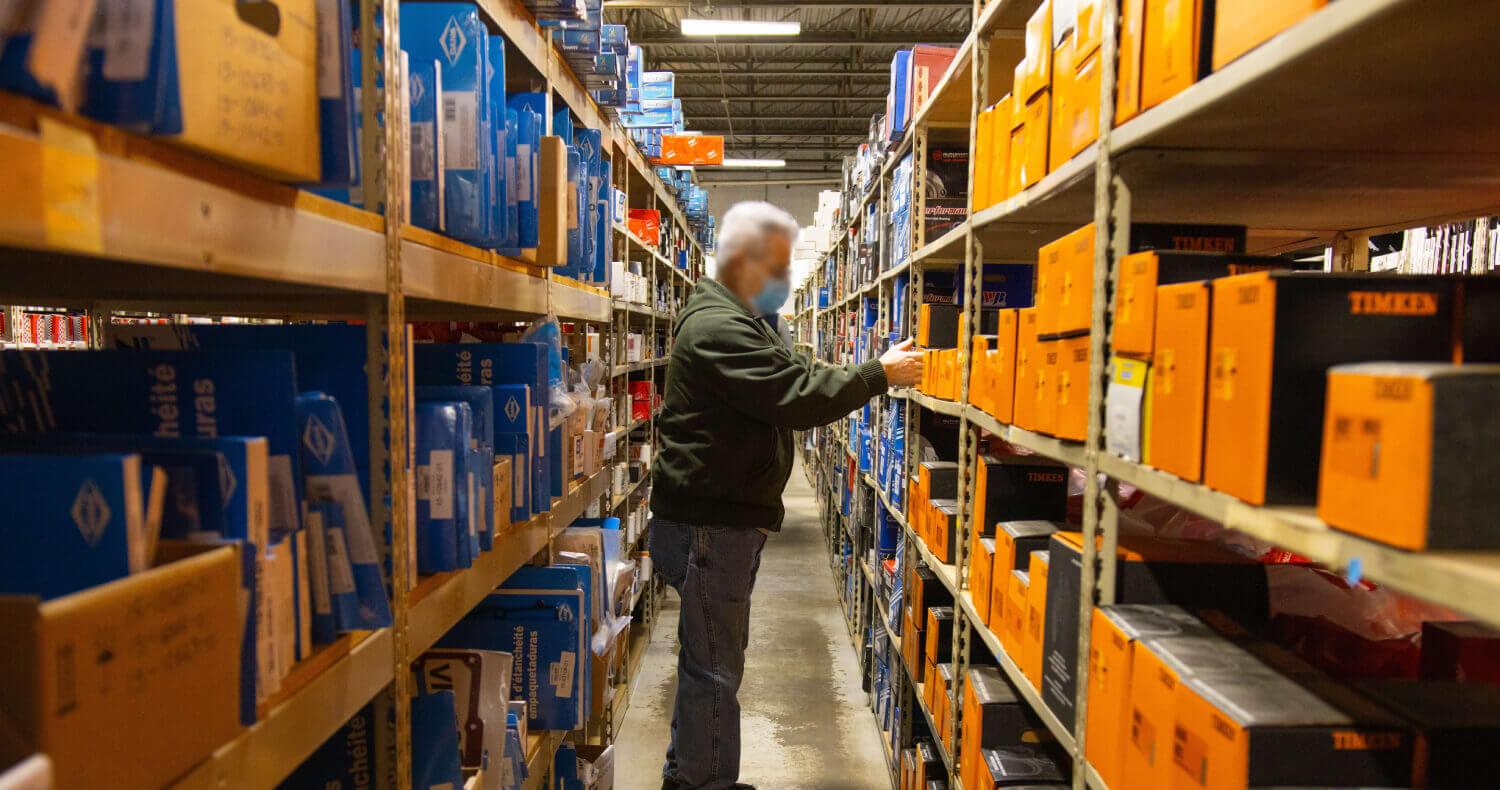
Delays caused by unavailable parts can slow operations and lead to customer dissatisfaction. Commercial suppliers maintain extensive inventory levels specifically to meet high-volume business demand.
Reliable inventory means:
Reliable inventory means:
- Faster repair completion
- Fewer backorders
- Reduced downtime
- Improved workflow efficiency
3. Faster Turnaround Times
Efficiency directly impacts customer satisfaction and profitability. When parts are sourced quickly from a commercial supplier, technicians spend less time waiting and more time completing repairs.
Faster turnaround results in:
Faster turnaround results in:
- Increased daily service capacity
- Shorter customer wait times
- Higher customer retention
- Improved online reviews and reputation
4. Streamlined Ordering Processes
Commercial suppliers simplify purchasing through business-focused ordering systems. Instead of placing multiple small orders from various vendors, businesses can centralize procurement.
Common efficiencies include:
Common efficiencies include:
- Dedicated business accounts
- Easy reorder systems
- Online or phone ordering options
- Order tracking and history
- Consolidated billing
5. Access to Professional-Grade Parts
Commercial auto parts suppliers prioritize durability and reliability because their customers depend on performance. They often carry trusted aftermarket brands and OEM-quality components suited for professional use.
High-quality parts help businesses:
High-quality parts help businesses:
- Reduce warranty claims
- Minimize repeat repairs
- Improve vehicle performance
- Strengthen customer trust
6. Expert Support and Industry Knowledge
Unlike general retail stores, commercial suppliers understand automotive business needs. Their teams often provide product recommendations, compatibility guidance, and technical insights.
This support helps businesses:
- Choose the correct parts quickly
- Avoid costly ordering mistakes
- Improve repair accuracy
- Save diagnostic time
Having knowledgeable supplier support becomes especially valuable when handling complex repairs.
7. Bulk Purchasing and Inventory Planning
Businesses that regularly perform maintenance services benefit from bulk purchasing options offered by commercial suppliers.
Bulk buying advantages include:
Bulk buying advantages include:
- Predictable inventory levels
- Reduced emergency purchases
- Lower operational costs
- Improved workflow planning
8. Reduced Logistics and Shipping Expenses
Ordering parts individually from multiple vendors often leads to higher shipping costs and delays. Commercial suppliers — particularly local distributors — simplify logistics.
Businesses benefit from:
Businesses benefit from:
- Local pickup or delivery options
- Lower shipping expenses
- Faster exchanges or returns
- Improved supply chain reliability
9. Scalability for Business Growth
As automotive businesses expand, their parts demand increases. Commercial auto parts suppliers are equipped to scale alongside their clients.
Growth advantages include:
Growth advantages include:
- Consistent pricing as order volume grows
- Reliable supply for higher workloads
- Support for fleet contracts
- Simplified expansion planning
10. Strengthening Long-Term Business Partnerships
Working with a commercial auto parts supplier creates a partnership rather than a one-time transaction. Over time, suppliers better understand a business’s needs and can offer customized solutions.
Long-term relationships often lead to:
Long-term relationships often lead to:
- Priority service
- Better pricing opportunities
- Faster problem resolution
- Personalized customer support
Choosing the Right Commercial Auto Parts Supplier
When selecting a supplier, businesses should look for:
- Wide product inventory
- Competitive wholesale pricing
- Reliable stock availability
- Quality automotive brands
- Fast delivery or pickup options
- Strong customer support
Final Thoughts
A commercial auto parts supplier does far more than provide replacement components — they help automotive businesses operate smarter. Through wholesale pricing, dependable inventory, streamlined ordering, and professional support, suppliers play a critical role in reducing costs and improving efficiency.
For repair shops, fleet operators, and dealerships, partnering with a trusted commercial auto parts supplier leads to faster service, stronger profit margins, and better customer experiences. In an industry where time and reliability matter most, choosing the right supplier can be one of the most impactful business decisions you make.
For repair shops, fleet operators, and dealerships, partnering with a trusted commercial auto parts supplier leads to faster service, stronger profit margins, and better customer experiences. In an industry where time and reliability matter most, choosing the right supplier can be one of the most impactful business decisions you make.